



Most couples who choose full service wedding planning never doubt their ability to plan a wedding. They know how to organize, research, and make thoughtful decisions.
What surprises them is the scope.
It begins with a venue, a date, a sense of direction. Then come the conversations, the dependencies, the details that don’t live neatly on a checklist. What looks straightforward on paper carries far more nuance in practice.
At some point, the question shifts from “Can we do this?” to “How do we want this to feel?” This is often when couples begin to understand what full service wedding planning actually supports.
What Full Service Wedding Planning Looks Like in Real Life
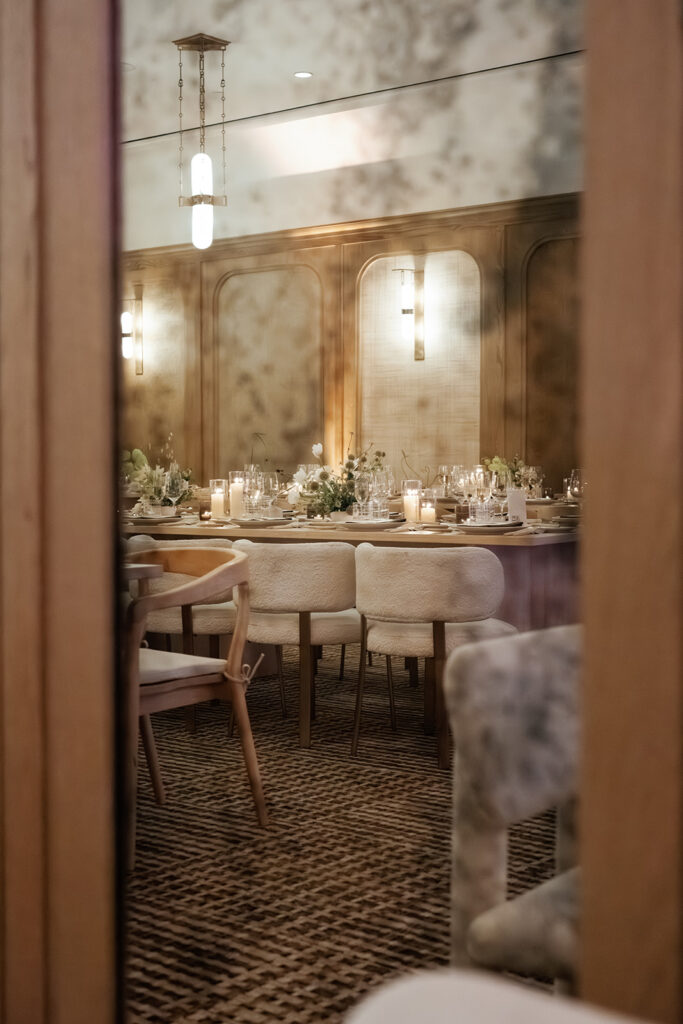
Full service wedding planning means having one experienced professional holding the entire wedding, not just individual tasks.
Someone who tracks conversations across vendors, keeps timelines realistic, and understands how one decision affects the next. Someone who notices when a design choice impacts installation time, or when a guest experience detail needs to be addressed earlier than expected.
Your role shifts from managing logistics to making informed decisions. You’re guided through planning with context, clear options, and a steady pace. Nothing is rushed. Nothing is reactive.
From the first conversations through the wedding weekend itself, leadership remains consistent, so the process feels grounded rather than fragmented.
How Wedding Planning Expands Over Time
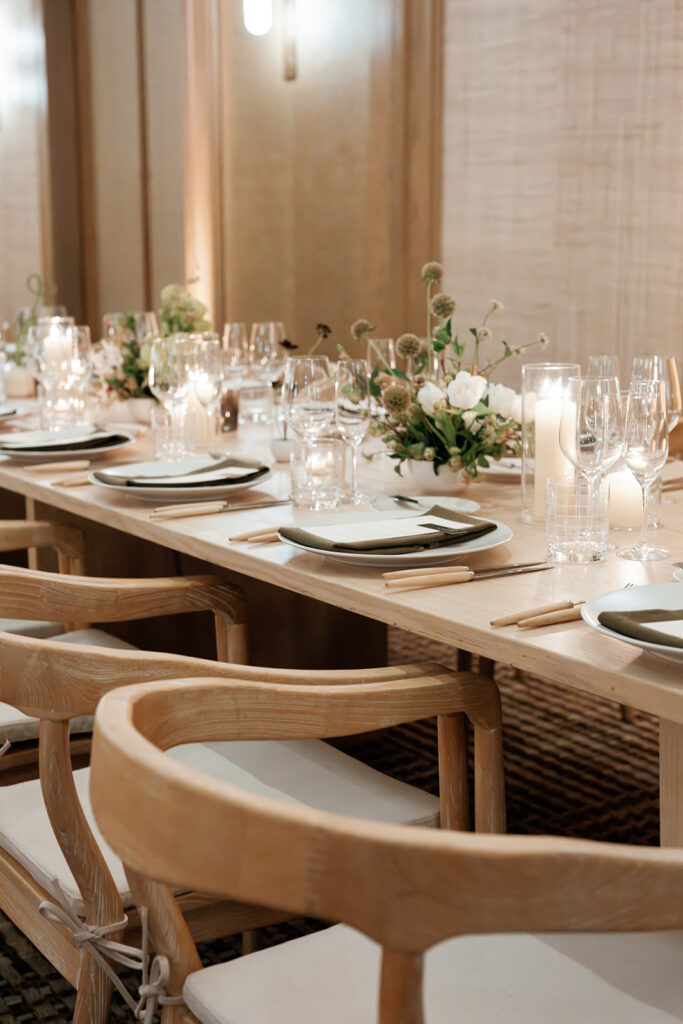
Wedding planning rarely becomes simpler once the first decisions are made.
Booking vendors is only the beginning. Relationships require ongoing communication. Contracts evolve as details are refined. Timelines that once felt broad become increasingly specific.
Guest considerations expand beyond numbers into seating, transportation, pacing, and comfort.
Each decision connects to several others. A change to the ceremony time affects photography, lighting, transportation, and dinner service. A design choice impacts installation time, rentals, and labor.
What feels like a small adjustment often carries wider implications than expected.
As the wedding draws closer, planning becomes more precise and more interconnected. Without a clear structure holding it together, even the most organized couples can find planning quietly occupying far more mental space than they anticipated.
What Changes When Planning Support Starts Early
When full service planning begins early, the process feels steadier and more intentional from the start.
Budget conversations happen before decisions are locked in. Costs are discussed alongside real scenarios, not after contracts are signed.
Venues are evaluated beyond how they photograph, with careful attention to access points, load-in timing, power needs, weather plans, and how guests will actually move through the day.
Vendor options feel focused rather than overwhelming. Instead of reviewing long lists, couples are guided toward teams who are available, aligned with the vision, and experienced with the scale and complexity of the event.
Conversations start with fit and feasibility, not trial and error.
Decisions happen in the right order. Layouts are considered before rentals are selected. Design direction is established before production details are finalized.
Timelines are shaped with installation and transitions in mind, not adjusted later under pressure.
With early guidance, planning moves forward at a measured pace. There’s time to think, refine, and confirm, rather than compressing critical decisions as the wedding approaches.

Design Support That Brings Clarity
Design decisions often carry more weight than couples anticipate because they quietly affect everything else.
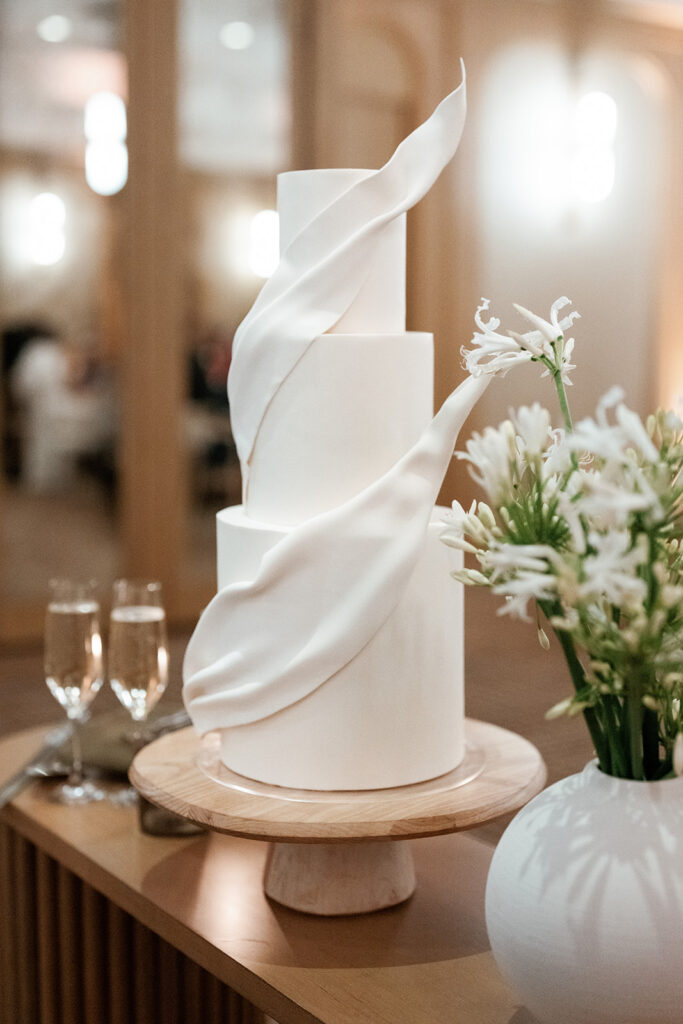
A color palette determines linen choices, rental availability, floral recipes, lighting temperature, and installation time. A ceremony backdrop choice influences load-in timing, labor hours, and how guests experience the space when they arrive.
Full service wedding planning filters inspiration through these realities. Ideas are refined into a clear direction that works visually and logistically.
Couples are guided toward the elements that genuinely shape the experience and away from details that add effort without impact.
The result is design that feels intentional and cohesive, without requiring constant second-guessing or over-decision.
The Behind-the-Scenes Work Couples Rarely See
Much of the value of full service wedding planning happens quietly, well before guests arrive.
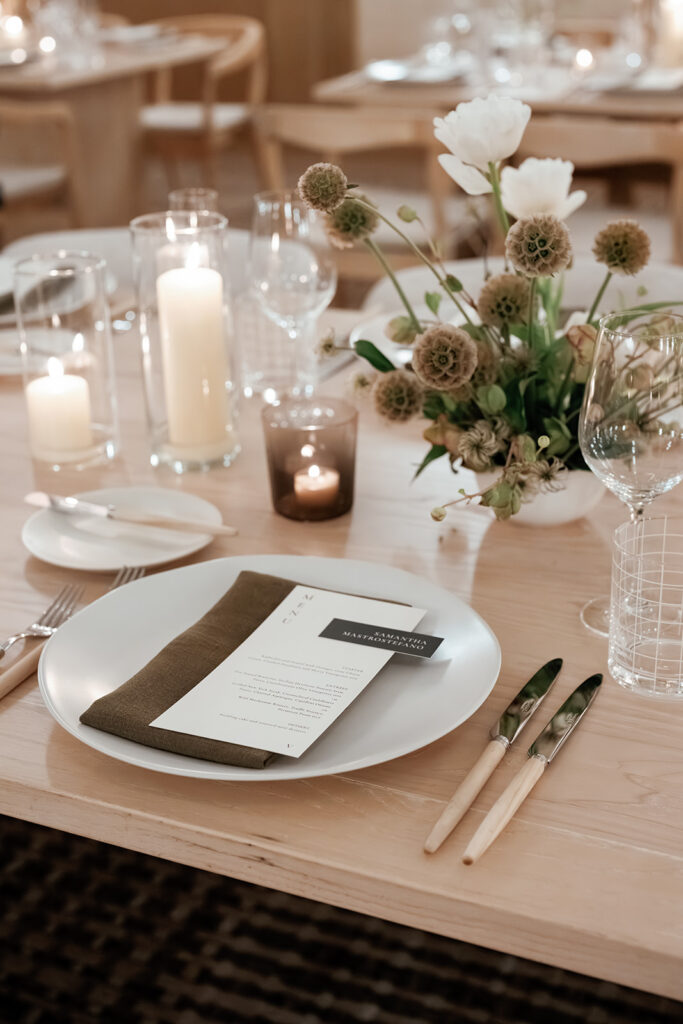
Timelines are constructed around real installation and production requirements. Vendors are aligned, confirmed, and reconfirmed. Floor plans are refined so guests move comfortably through each space.
Potential challenges are identified early and addressed well in advance. This preparation allows the wedding day to unfold smoothly without visible course correction.
What Happens During the Wedding Weekend
During the wedding weekend, full service planning provides continuity and calm.
Arrivals, transitions, and timing are actively managed. Questions are answered and decisions are handled without drawing attention to the process.
The couple is not pulled into logistics or problem-solving as the celebration unfolds.
This level of oversight allows couples to remain present, knowing every detail is being managed with care and discretion.

When Couples Recognize the Need for Full Service Wedding Planning
Most couples reach a point in planning where effort is no longer the issue.
The inbox fills faster than it clears. Simple decisions require multiple follow-ups. Questions stack up faster than they can be answered.
Planning begins to live in the background of daily life, asking for attention even when nothing urgent is happening.
Decisions feel heavier because the ripple effects are clearer. A timing adjustment affects vendors. A design choice impacts labor and logistics.
Even small tasks require coordination, context, and time that is increasingly scarce.
At that point, what couples truly want becomes clear. Not to step away from planning, but to move forward with clarity, confidence, and a trusted professional guiding the process so it no longer lives entirely in their head.
How Full Service Planning Shapes the Experience
With full service wedding planning in place, the process becomes organized and steady.
Planning unfolds with structure. The wedding day progresses without the need for oversight from the couple. Guests experience a celebration that feels intentional, comfortable, and well considered.
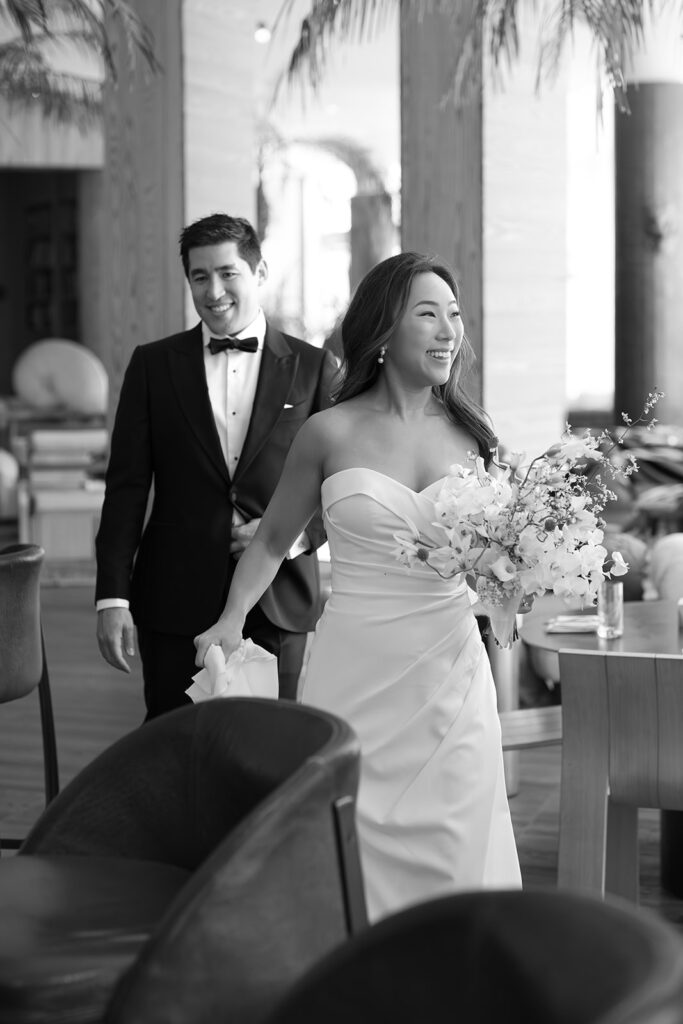
Most importantly, couples are able to experience their wedding as hosts rather than managers.
A Thoughtful Next Step
For couples seeking a planning process that feels composed, strategic, and deeply considered, full service wedding planning offers a level of guidance that supports both the vision and the experience.
I invite you to explore my full service wedding planning and learn how thoughtful oversight creates a calm, well-organized wedding from the first decision through the final farewell.