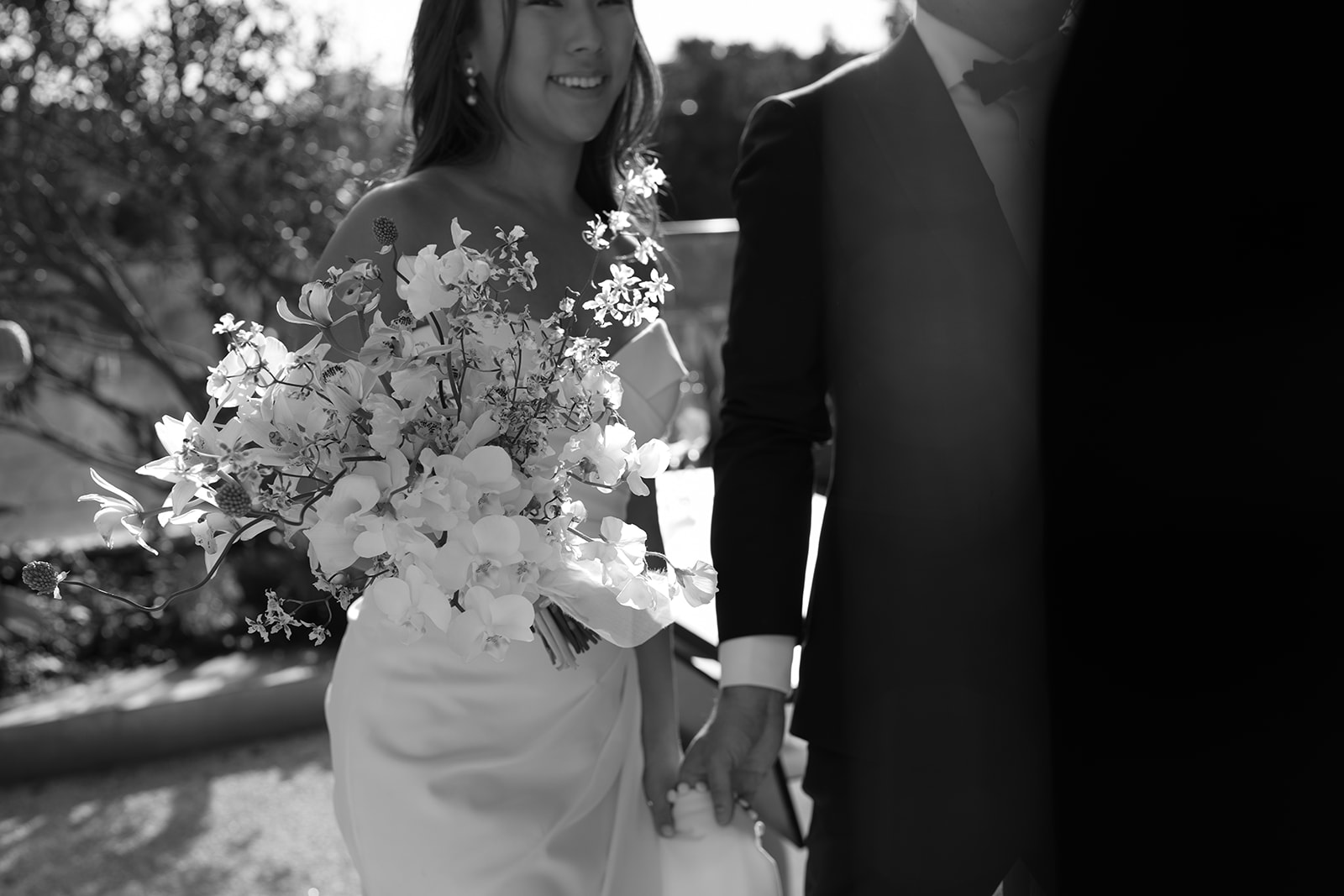
Luxury outdoor weddings are beautiful because the setting already does so much of the work.
The challenge comes when design starts piling on instead of enhancing what’s already there. Many couples worry that pulling back will feel underwhelming, when in reality restraint is what creates a refined result.
This guide explains how to design a luxury outdoor wedding that feels intentional and elevated, without feeling busy, overwhelming, or overproduced.
Why Outdoor Weddings Require a Different Design Mindset
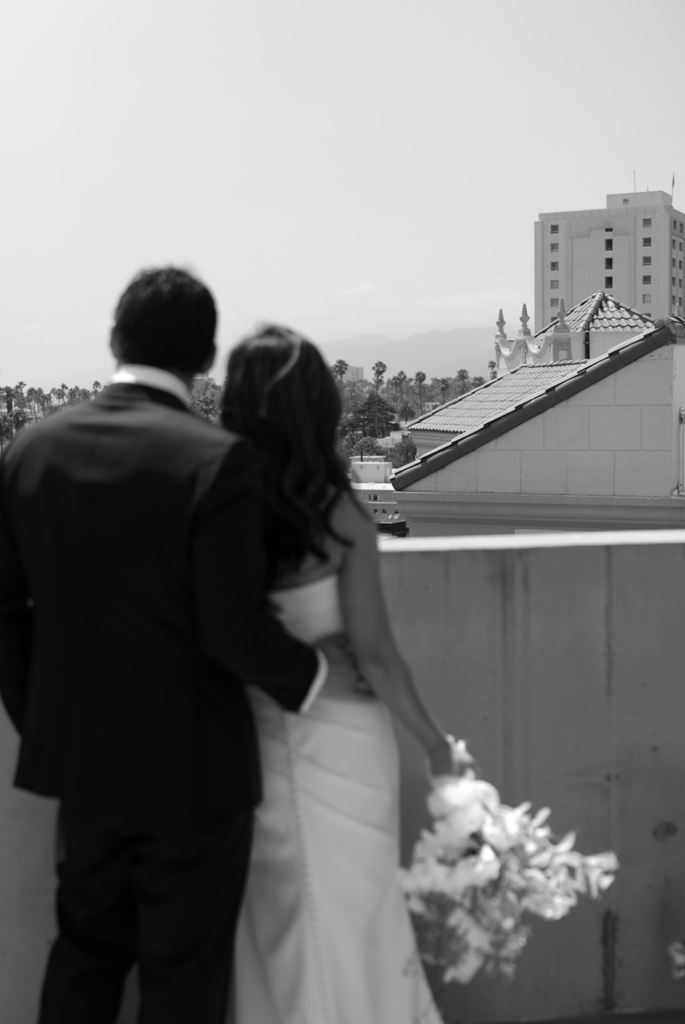
Outdoor spaces demand a fundamentally different approach to wedding design. Nature already provides texture, color, and atmosphere in ways that require recognition rather than competition.
The visual openness of outdoor settings means every design choice is more noticeable, particularly in natural light where nothing is hidden or softened by interior architecture.
Without the structural boundaries of walls and ceilings, design decisions carry significantly more weight. A floral installation that might feel balanced in a ballroom can read as excessive against an open sky. Color choices that work beautifully indoors can compete with the landscape rather than complement it.
Understanding this shift in perspective is the foundation of thoughtful outdoor wedding design.
Starting With the Setting Instead of the Details
Strong luxury outdoor wedding design begins with observation rather than inspiration boards. Before selecting linens, florals, or décor, the setting itself needs to be understood.
What does the landscape offer? What is the existing architecture? What colors, textures, and natural elements are already present?
Letting the location inform your color palette and material choices creates cohesion that feels effortless. A garden estate surrounded by greenery calls for a different approach than a desert property with expansive sky and minimal vegetation. Coastal settings with natural neutrals suggest different tones than vineyard landscapes with golden grasses and mature trees.
The goal is choosing design elements that feel like they belong in the space rather than elements that could exist anywhere. This doesn’t mean design must be literal, but it should feel connected to place.
Trends that look beautiful in curated images but feel disconnected from your specific environment will always read as imported rather than intentional.
How Overdesign Happens More Easily Than Couples Expect
Overdesign rarely happens intentionally. It accumulates gradually as planning progresses and inspiration continues to arrive.
Couples encounter beautiful ideas (another lounge moment, an additional floral installation, layered stationery, multiple design “moments” competing for attention) and each feels meaningful in isolation.
The impulse to add often stems from encountering open space and feeling the need to fill it. Outdoor settings can feel expansive during site visits, which creates pressure to compensate with layers of design. The worry becomes: will this feel empty? Will it photograph well? Shouldn’t we do more?
Another common pattern is mixing too many styles or ideas because each element is lovely on its own. Without a guiding vision, these additions accumulate not because they’re necessary, but because it’s difficult to know when to stop. Quantity gets confused with impact, and restraint feels like it might translate to disappointment.
True luxury, however, is felt in restraint. Knowing when a space, a view, or a single beautifully executed element is already doing the work.
What Refined Outdoor Wedding Design Actually Looks Like
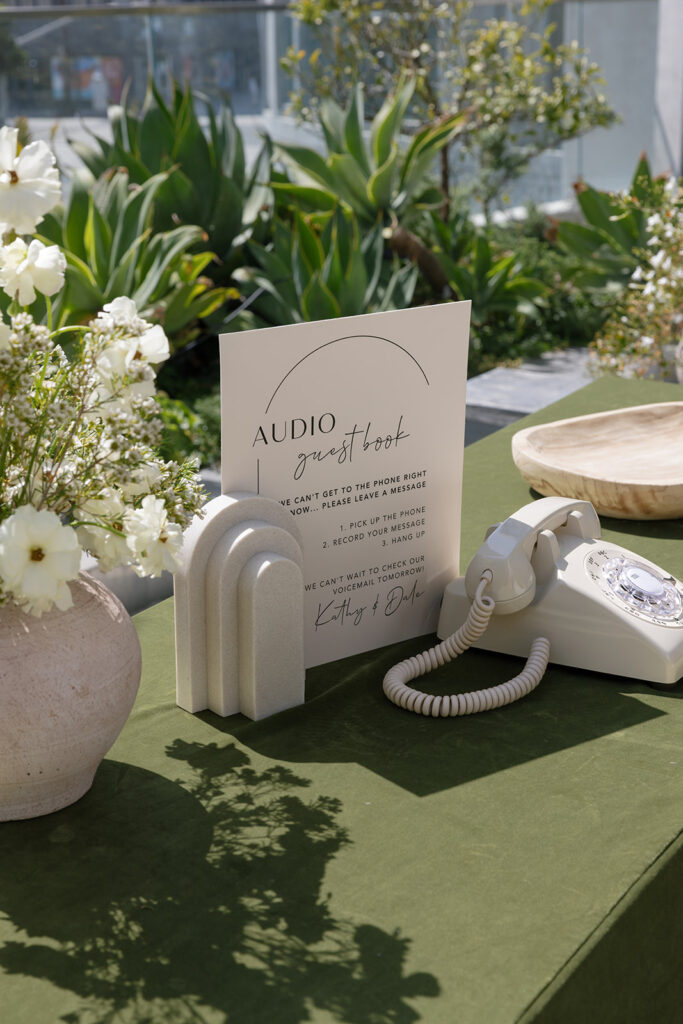
Refined outdoor wedding design is characterized by intention rather than abundance. It begins with a limited, intentional color palette that feels cohesive across every element of the celebration.
Instead of incorporating every color you love, the palette remains focused and allows each choice to feel deliberate.
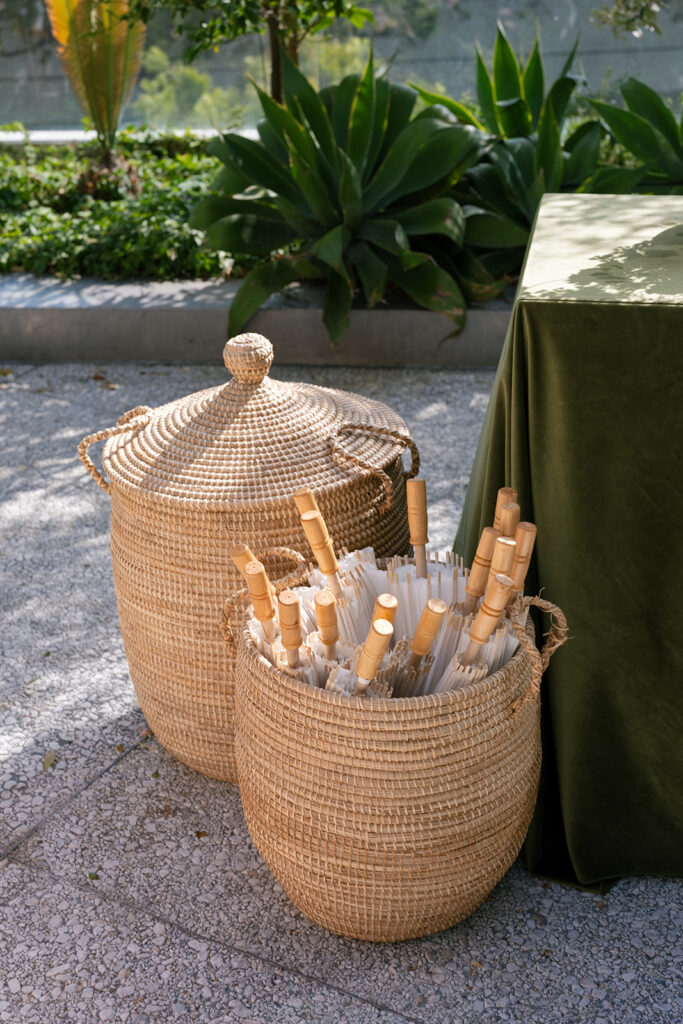
Materials should feel both natural and elevated. Linen that has texture and weight. Wood that shows grain and character. Stone, brass, or handmade ceramics that bring tactile quality without needing excessive embellishment.
When materials themselves feel considered, very little additional decoration is needed.
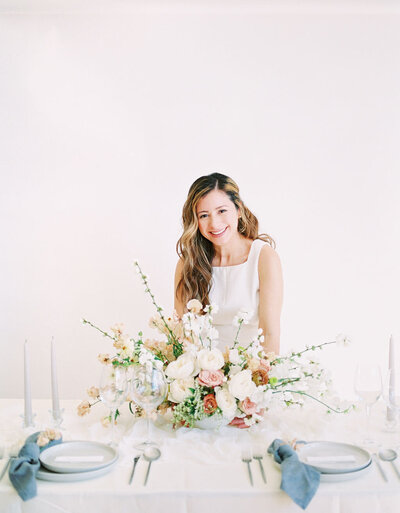
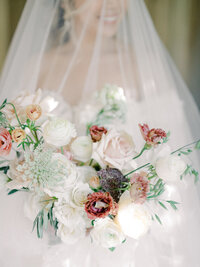
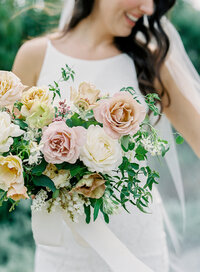
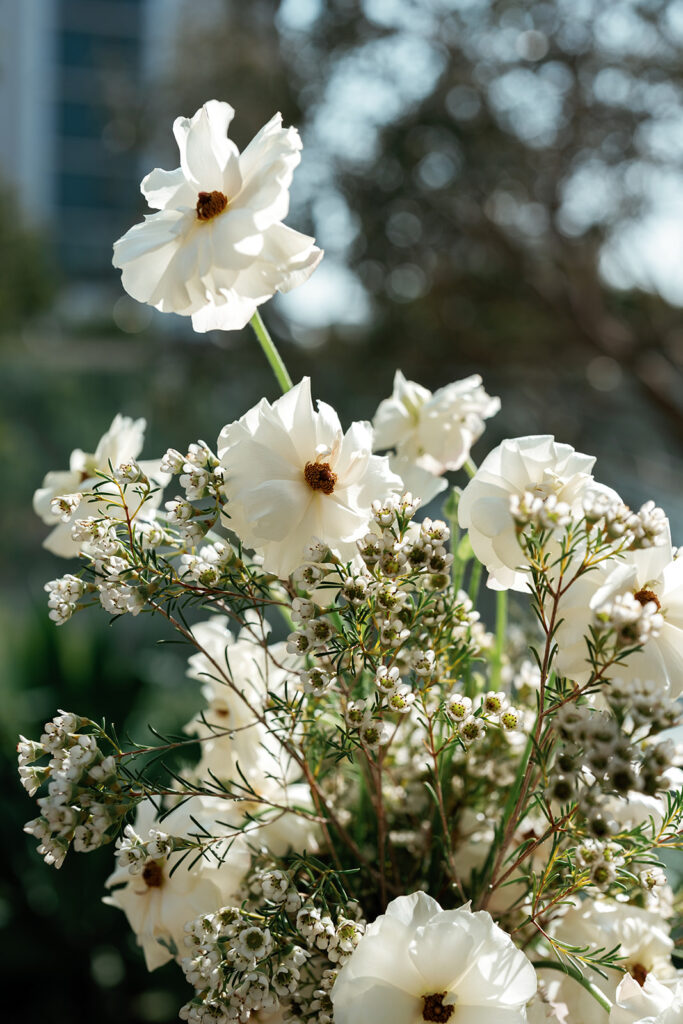
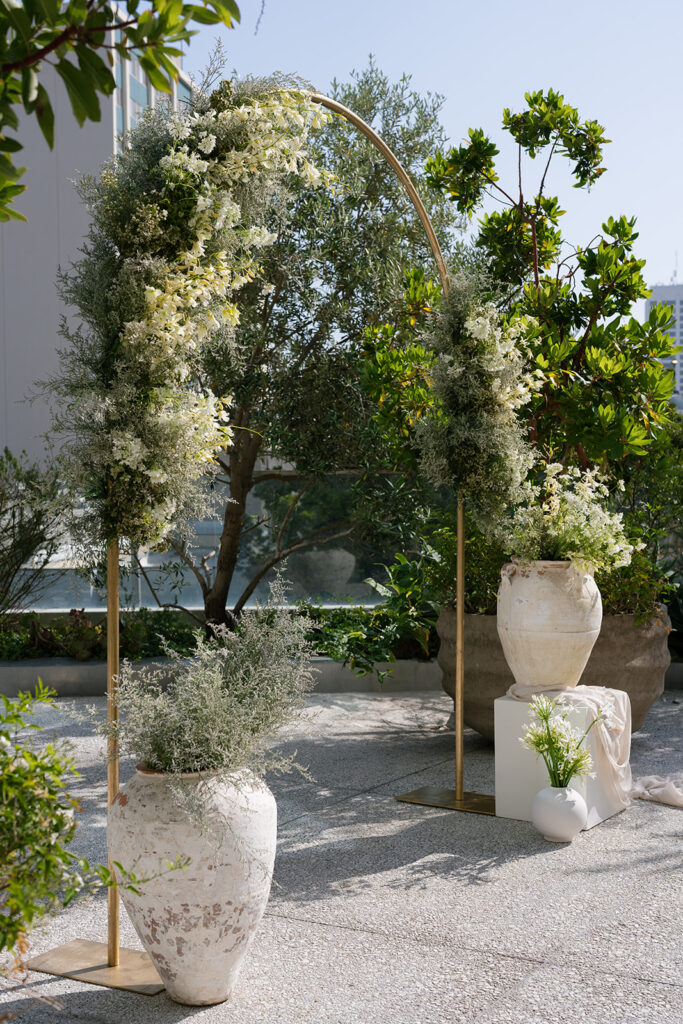
Florals are used with purpose and scale rather than distributed everywhere. Placing arrangements where guests naturally gather (entrances, bars, dining tables) creates moments of focus while allowing the landscape to remain the hero.
The impact comes from the quality of floral selections rather than sheer quantity. A few statement arrangements in beautiful vessels often create more presence than abundant smaller clusters scattered throughout.
The overall effect should feel calm and cohesive. Each element relates to the others. Nothing competes for attention. The design supports the celebration without overwhelming it.
Lighting Is What Changes Everything
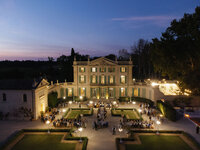
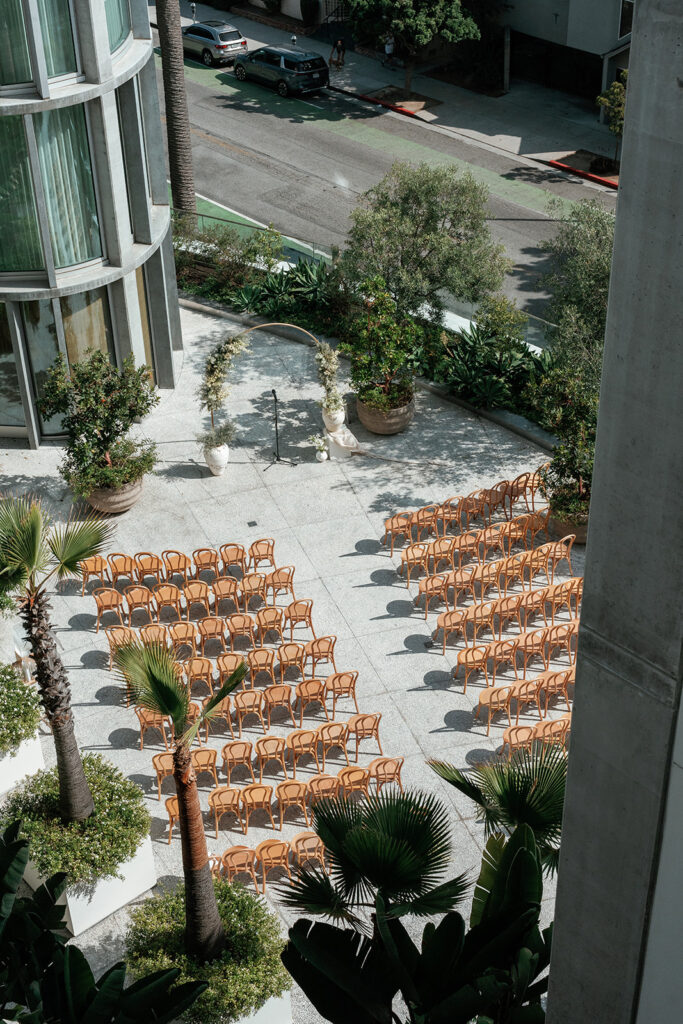
Lighting is perhaps the most transformative element in luxury wedding design, particularly outdoors where the environment shifts dramatically from day to evening. Thoughtful lighting creates intimacy after sunset, defining spaces that felt open and undefined in daylight.
The most successful outdoor lighting schemes layer different sources: candlelight for warmth and romance, ambient lighting to define areas and pathways, and focal lighting to highlight specific moments like the sweetheart table or a beautiful tree. This layering creates depth and dimension while maintaining the natural beauty of the setting.
The goal is enhancing the environment rather than overpowering it. String lights that feel appropriate to the architecture and setting can be beautiful. Uplighting on trees brings drama without distraction. Candlelight in varied heights on tables creates an inviting glow.
Market lights over lounge areas define conversation spaces.
Lighting should be designed for both atmosphere and function. Guests need to see their meals, navigate pathways safely, and feel comfortable as evening falls.
When done well, lighting transforms the celebration while feeling completely organic to the space.
Layout, Furniture, and Guest Comfort
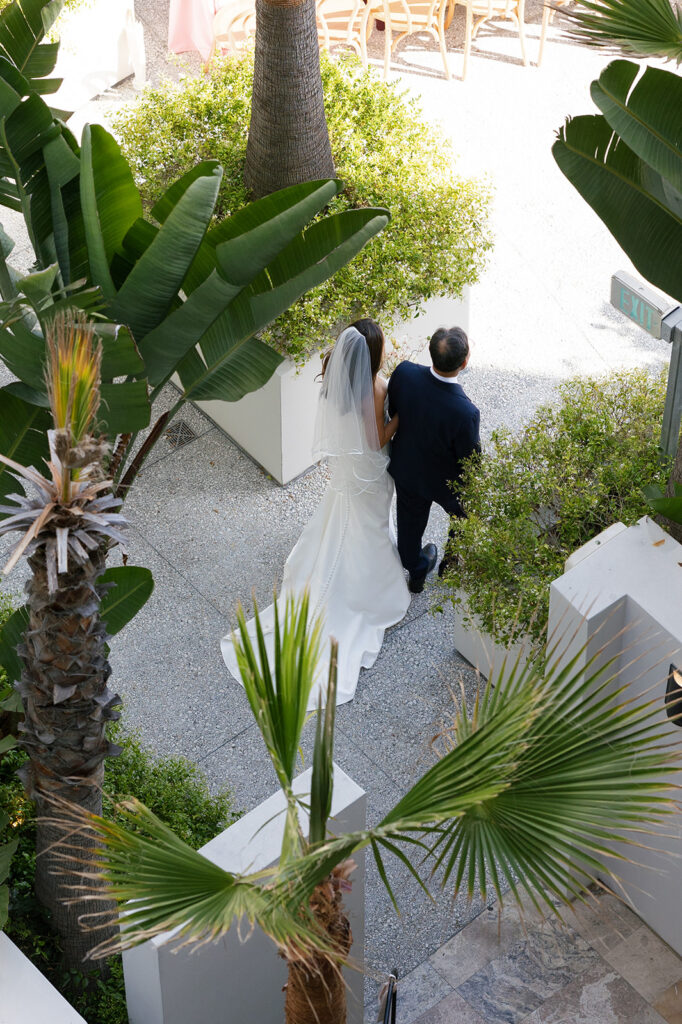
The wedding design process for outdoor celebrations must account for how guests move through and experience the space. Flow between ceremony, cocktail hour, and dinner should feel natural and intuitive, with clear sightlines and comfortable transitions.
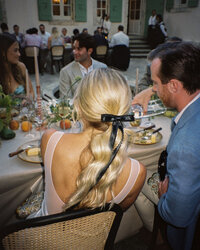
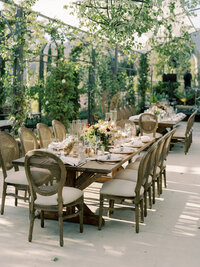
Furniture choices should support the setting rather than fight it. In garden environments, natural wood or cane pieces often feel more appropriate than ultra-modern acrylic. At a contemporary desert venue, clean-lined furniture in neutral tones complements the architecture.
The style should feel connected to the overall vision.
Guest comfort can’t be sacrificed for aesthetic. Beautiful furniture that’s uncomfortable to sit in for three hours undermines the entire celebration.
Spacing matters significantly. Tables too close together create a crowded feeling that no amount of beautiful design can overcome. Adequate room between seating areas, walkways wide enough for comfortable movement, and thoughtful placement of bars and restrooms all contribute to whether the event feels relaxed or constrained.
When layout is designed well, guests move through the celebration with ease. The flow feels effortless, and the space itself enhances their experience.
How a Planner Protects the Design From Overproduction
This is where professional guidance fundamentally changes the outcome. As plans evolve and details come together, the original vision can easily become diluted by additions that seem small individually but compound collectively.
A planner’s role includes editing design choices throughout the process.
Managing rentals and installations thoughtfully means ensuring that every element truly serves the overall vision. When a couple mentions wanting to add another lounge area or an additional floral moment, a skilled planner can evaluate whether that addition enhances the design or begins to tip into excess.
The protection comes from maintaining perspective as individual details are finalized. Florals are beautiful, but are they competing with the view? The linens are gorgeous, but do they work with the furniture and the landscape?
Each candle, each piece of signage, each decorative element is considered not in isolation but as part of the whole.
Keeping the design grounded as all the pieces come together prevents the accumulation that leads to overproduction. The result is a celebration that feels intentional from every angle.
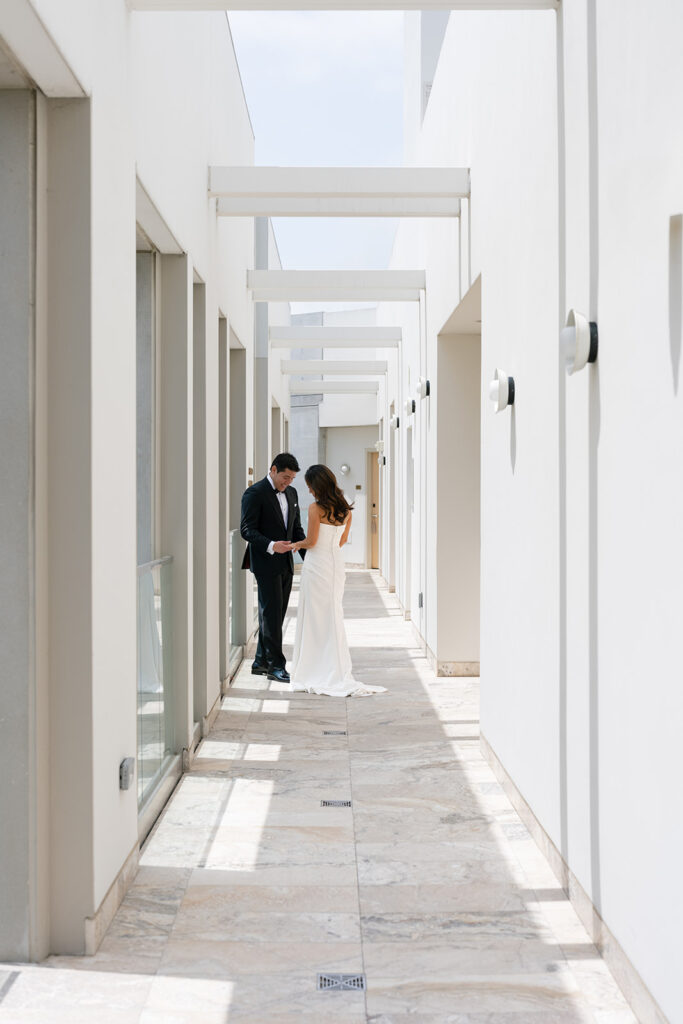
The Result When Luxury Outdoor Wedding Design Is Done Well
When luxury outdoor wedding design is executed with restraint and intention, the results are unmistakable. The setting feels enhanced rather than hidden.
The natural beauty that drew you to the location in the first place remains visible and celebrated.
The design photographs beautifully in all light, from golden hour through twilight into evening. There’s no angle where the view feels cluttered or where one element distracts from another. Everything works together.
Guests feel comfortable and at ease throughout the celebration. The environment supports conversation, movement, and enjoyment without creating obstacles or discomfort.
And perhaps most importantly, the wedding feels timeless rather than trend-driven. Years later, the images will still feel current because the design prioritized quality and restraint over what was popular in that particular season.
This is what separates a beautiful outdoor wedding from a truly exceptional one. It’s about the intentionality.
If you’re planning a luxury outdoor wedding and want the design to feel as refined as it is beautiful, we invite you to explore our wedding planning and design services at Weddings by Susan Dunne. Thoughtful planning ensures every element enhances your celebration without overwhelming it, creating the kind of effortless elegance that allows your setting to shine.