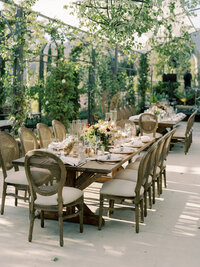
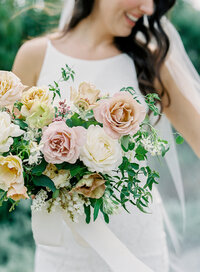

The most expensive thing you can give your guests isn’t a vintage champagne toast; it is the gift of time.
Most weddings unfold in a concentrated six-hour arc, where tight timelines, staged portraits, and rapid transitions leave little room for presence. Guests travel across states or continents only to feel as though the evening disappeared before they fully settled into it.
The slow wedding movement reflects a different philosophy, one rooted in spaciousness and thoughtful pacing. When your celebration unfolds across three carefully structured days, the experience becomes immersive rather than compressed, allowing energy to build gradually and conversations to deepen naturally.
A well-structured 3-day wedding weekend itinerary allows intentional wedding design and a high-end guest experience to work in harmony. The result feels expansive, steady, and deeply considered from arrival to farewell.
How to Adopt the Slow Wedding Movement With a Thoughtful 3-Day Itinerary
The most valuable gift you can offer your guests is time.
Most weddings unfold as a six-hour sequence of cues, choreographed photos, and hurried conversations. Timelines run tight. Transitions move quickly. Guests travel far only to watch the evening pass in a blur.
Within the world of high-end destination celebrations, a quieter shift is emerging. The slow wedding movement embraces an unhurried rhythm and thoughtful pacing. When your celebration unfolds across three intentional days, the wedding becomes centered, immersive, and deeply felt.
A carefully designed 3-day wedding weekend itinerary creates space for connection, intentional presence, and a refined high-end guest experience. With the right structure, your wedding feels expansive and grounded rather than compressed.


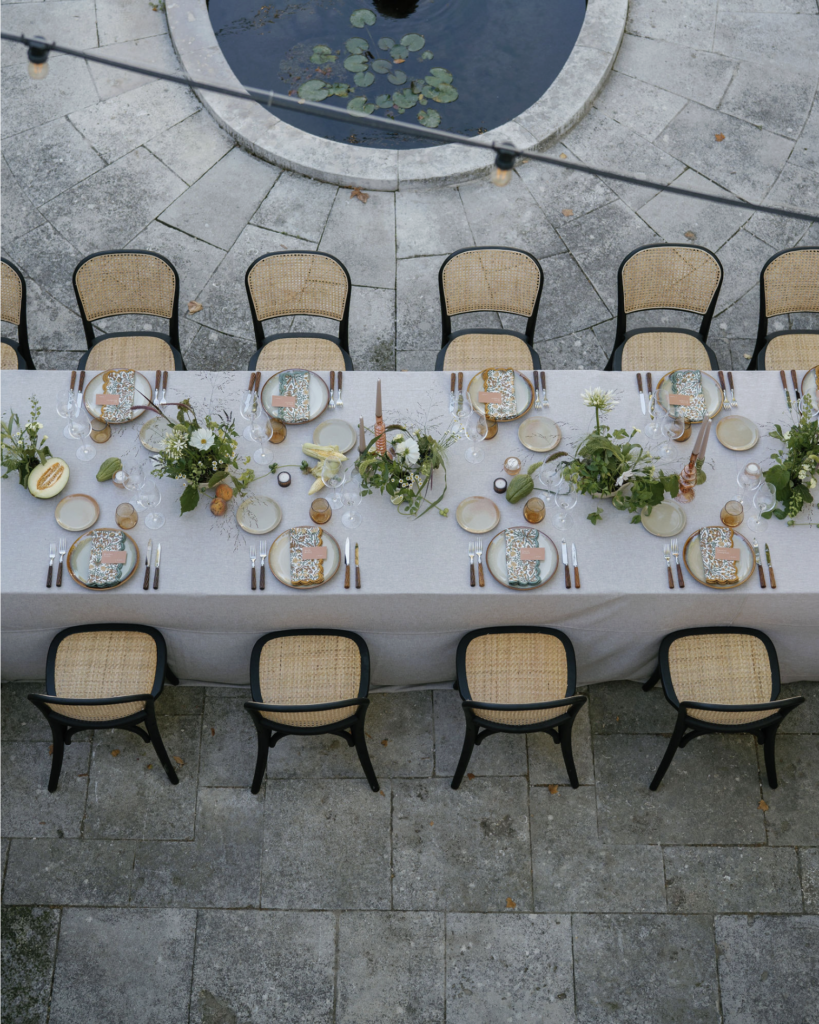


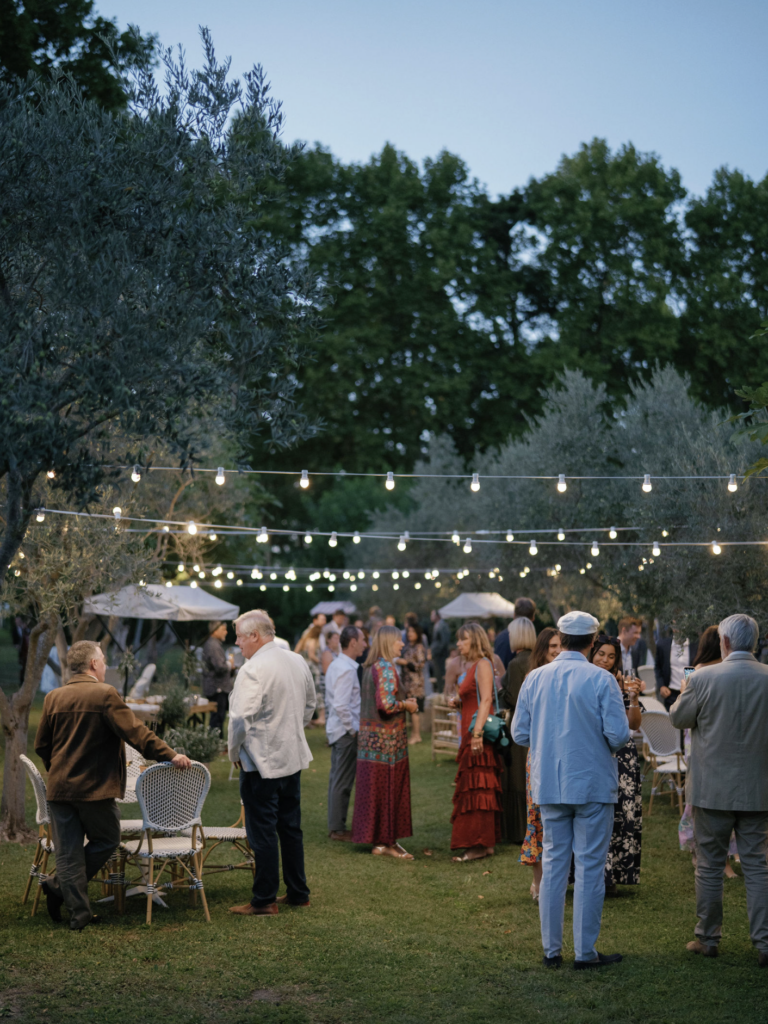
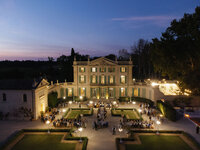
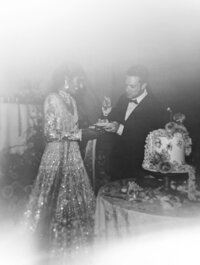
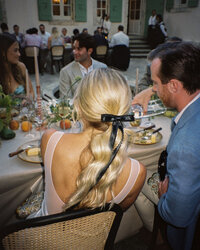
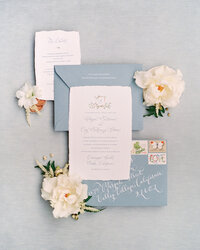
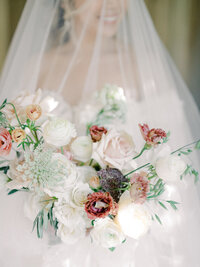
Provence Wedding Photos by Anya Kernes Photography @anyakernesPlanner & Designer Weddings by Susan Dunne
Here’s how to design that 3-day wedding experience with clarity and intention.
Day One: The Soft Landing
High-end hospitality begins with a seamless arrival.
Day One should feel like an exhale. Your guests have traveled, rearranged schedules, and stepped into a new setting. The tone of the weekend is established in these first few hours.
Instead of a tightly timed seated dinner, consider a rolling welcome reception. Guests arrive at staggered times. A cocktail and light bites are available immediately. There is ease built into the structure.
I’ve seen the shift happen instantly. When guests are welcomed with something thoughtful in hand, they relax. They feel included from the very beginning.
For destination celebrations, location enhances this first impression. One of the most memorable parts of planning multi-day events is watching guests step into a setting that immediately feels like a retreat.
When they can walk to charming restaurants, boutique shops, or local markets the next morning, the weekend settles naturally into a slower rhythm.
We often curate travel guides directly into the wedding website so guests have seamless access to restaurant recommendations, wine tastings, coffee spots, and transportation notes. When guests feel considered before arrival, the entire celebration carries a relaxed, elevated ease.
The first day removes friction and sets the emotional tone for the slow wedding movement to unfold.

Day Two: The Centered Celebration
Within a three-day structure, the ceremony no longer carries the burden of reunion, hospitality, and production simultaneously.
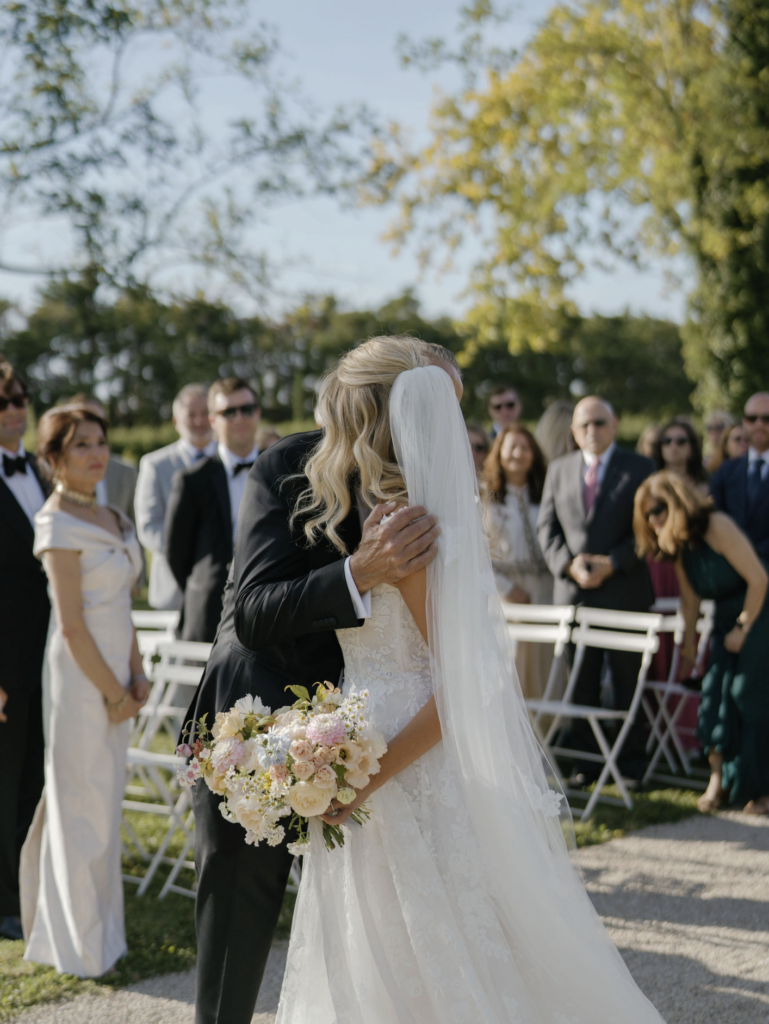
By Day Two, your guests have rested and reconnected. They arrive at the ceremony grounded and present, which allows the moment itself to take center stage.
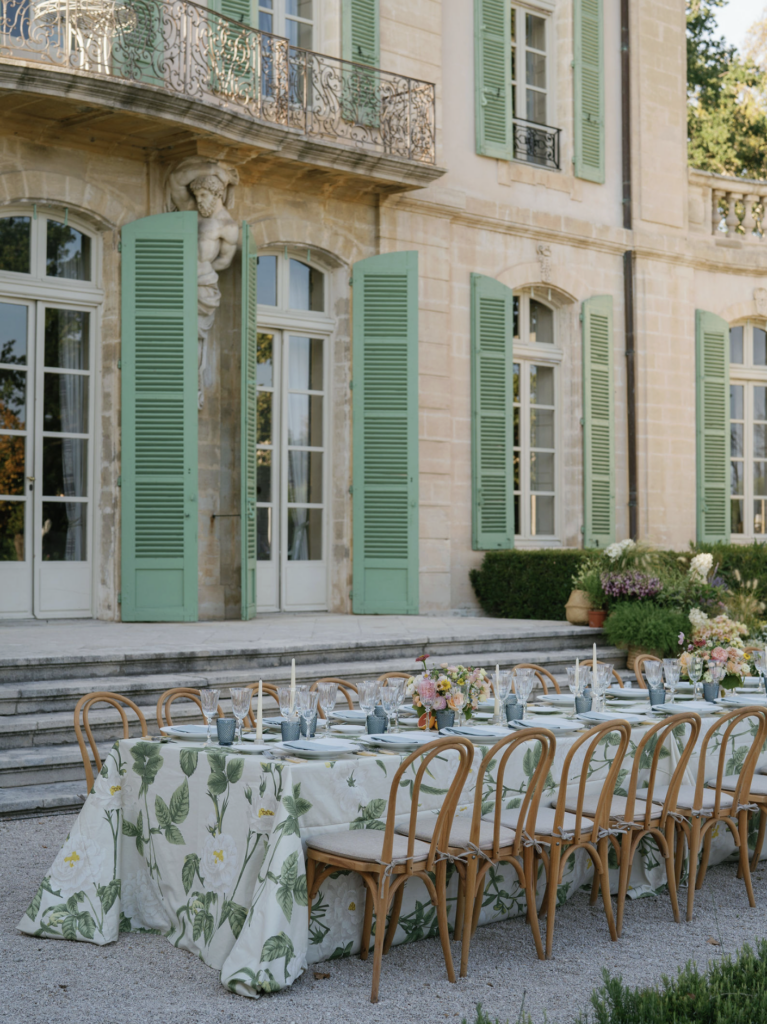
This is where intentional wedding design becomes fully visible, not simply through aesthetics but through pacing and atmosphere.
Your morning remains private and unhurried. Instead of feeling pulled into early hosting responsibilities, you prepare quietly while guests explore the destination at their own rhythm. Some may enjoy a long breakfast. Others may wander into town or relax by the water. That autonomy builds anticipation and preserves energy.
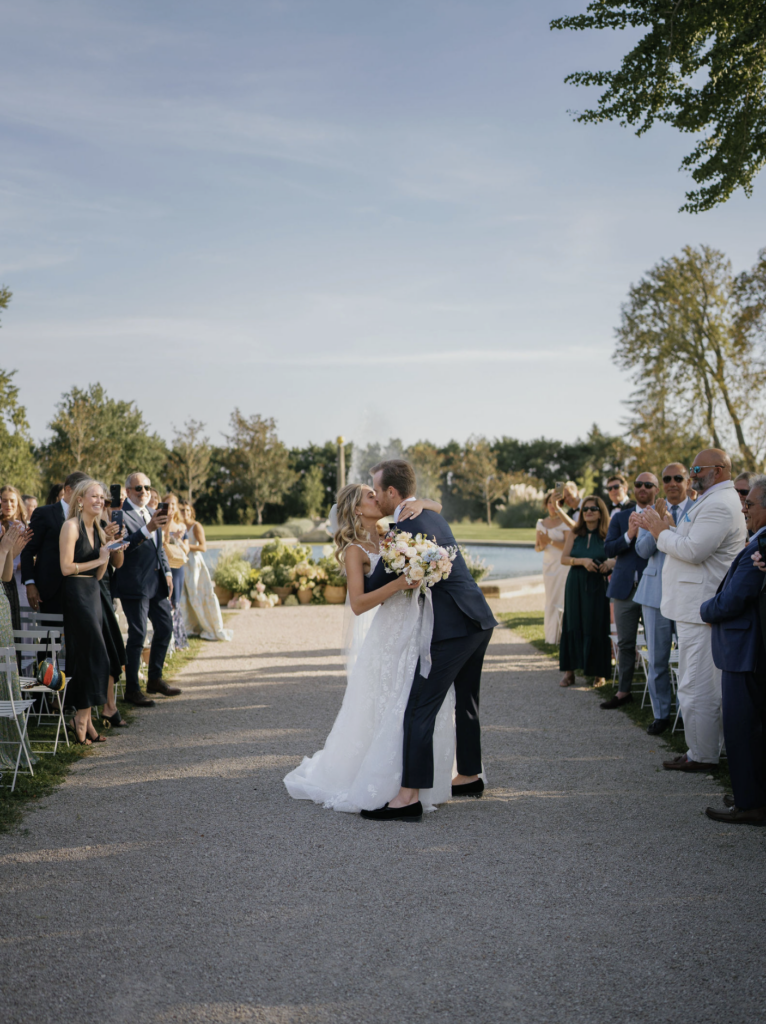
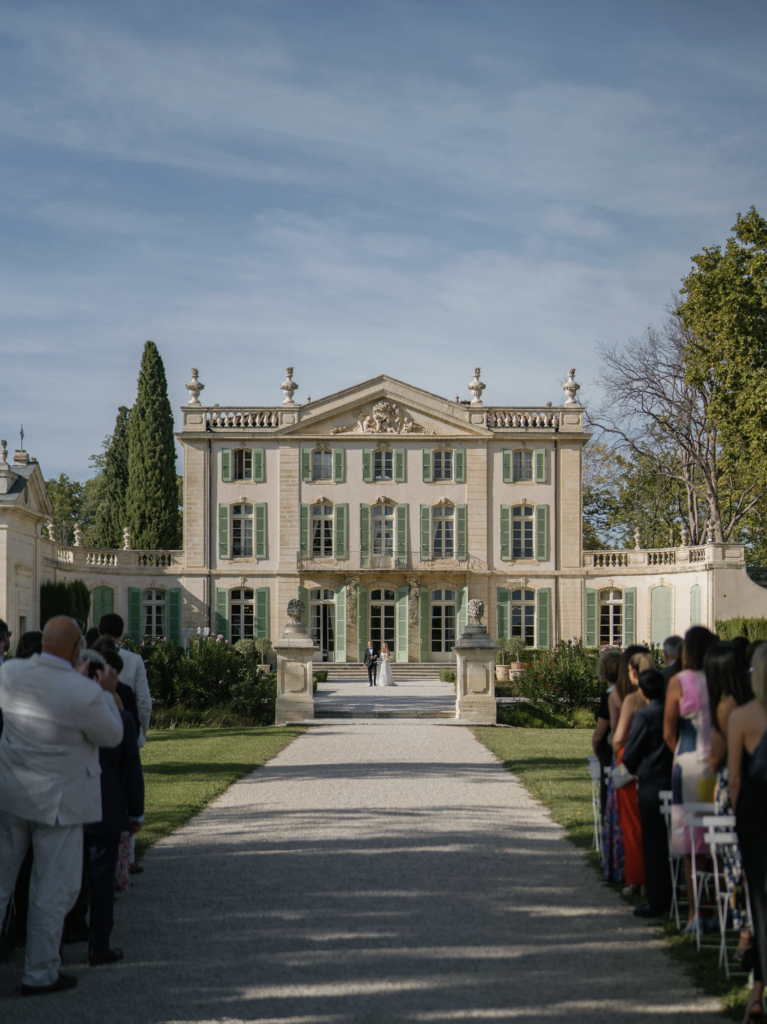
When the ceremony begins in late-afternoon light, the tone feels steady and focused. Clear acoustics, comfortable seating, and thoughtful timing ensure that guests remain engaged rather than distracted. Short, heartfelt ceremonies resonate most when they are supported by seamless production.
Choosing to do a first look often transforms the experience entirely. It allows you to enter cocktail hour fully present instead of disappearing for extended portraits. That face-to-face time with your guests shifts the energy of the evening and reinforces the high-end guest experience you are intentionally creating.
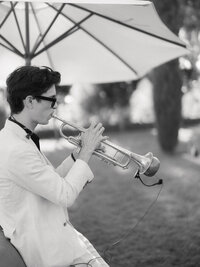
Cocktail hour becomes a space for connection rather than congestion. A well-timed surprise, such as an acclaimed musician or an unexpected creative performance, can introduce a shared moment of delight that guests carry with them long after the night ends.
Dinner unfolds with intention. Service feels fluid. Speeches are curated and thoughtfully paced. Lighting deepens gradually, guiding the emotional arc of the evening. Late-night offerings appear at precisely the right moment, adding warmth and nostalgia without disrupting flow.
Because your 3-day wedding weekend itinerary allows space between events, the celebration never feels rushed. Momentum builds naturally instead of being forced.

Day Three: The Decompression
If Day Two carries emotional weight, Day Three offers release.
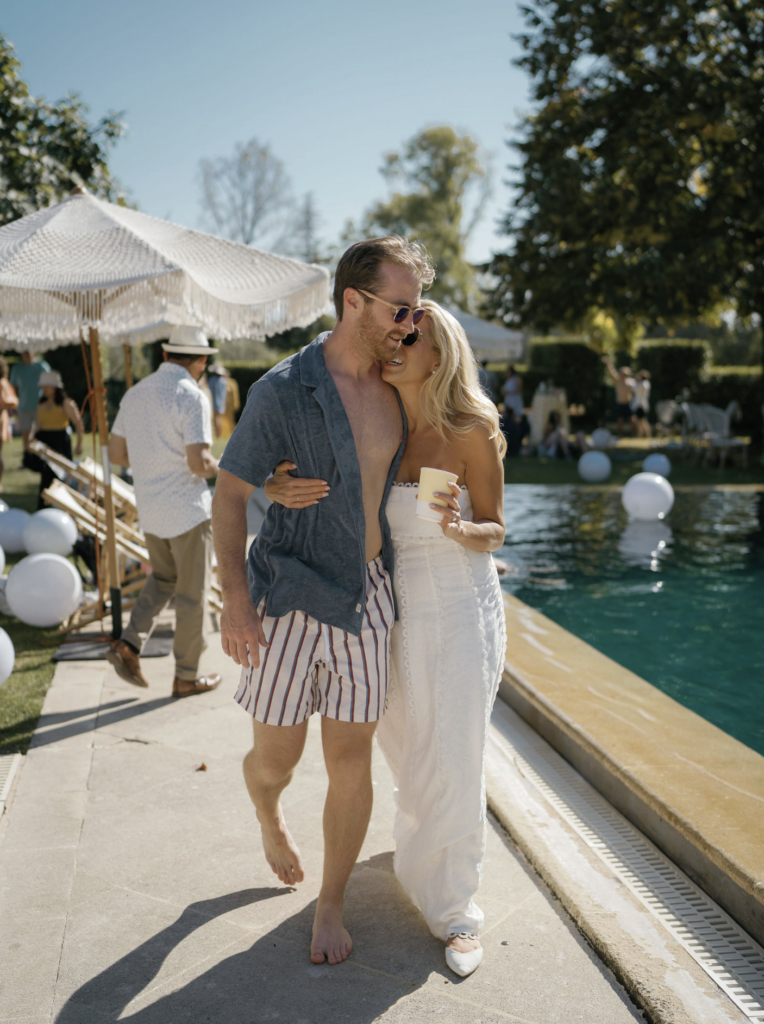
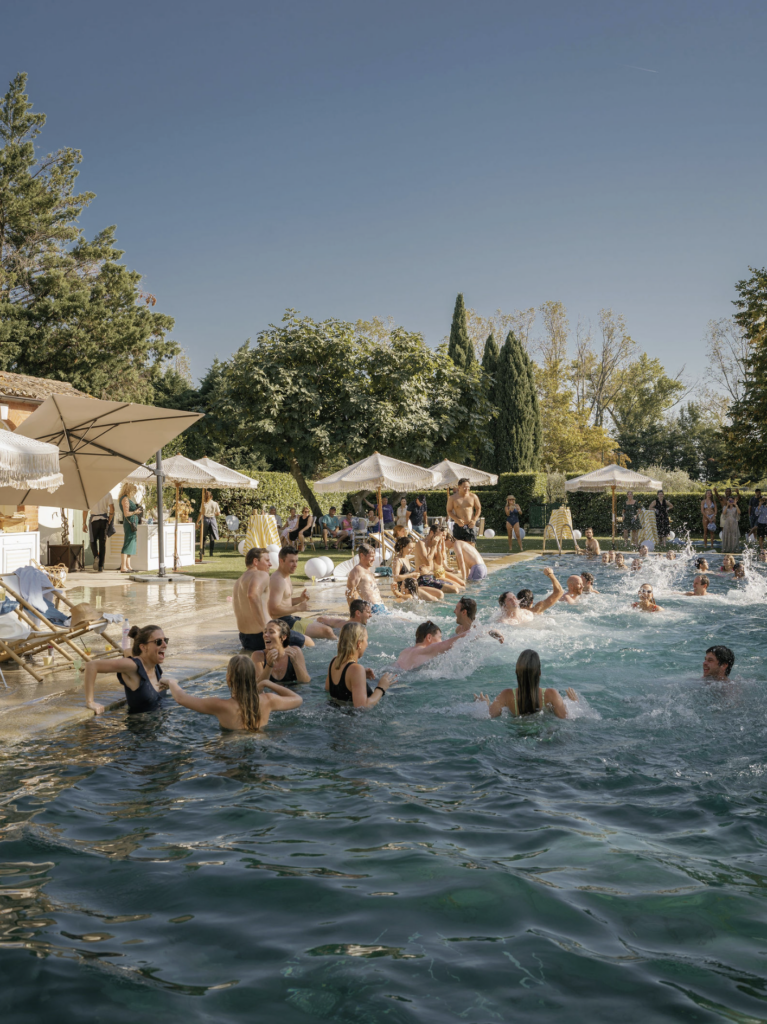
While a traditional farewell brunch remains common, many couples are surprised to discover that a quieter, more fluid closing to the weekend feels far more aligned with the slow wedding movement. Instead of organizing another formal event, an open poolside gathering allows the atmosphere to shift organically.
Guests drift in and out throughout the morning and early afternoon. Some arrive early with coffee in hand. Others linger longer in conversation. There is no seating chart, no speeches, and no rigid timeline guiding the experience.
Luxury at this level is defined by autonomy. Guests are free to choose their own rhythm, whether that means lounging in the sun, exploring town one final time, or gathering casually with a small group for lunch. Without the pressure of another structured event, the mood becomes relaxed and authentic.
Before departure, we often place thoughtfully assembled travel comforts in guests’ rooms. Chilled pressed juices, linen-wrapped pastries, electrolyte sachets, and a small lavender towel or essential oil for the journey home help ease the transition back to daily life. Occasionally, these are paired with a handwritten note from the couple, offering gratitude and warmth as the weekend concludes.
Guests leave feeling restored rather than depleted. That distinction is significant.
Creative Fluidity and Ease
An unhurried timeline transforms more than guest comfort; it elevates the creative environment as well.
Because relaxed moments have already been shared during the welcome gathering, wedding day portraits feel natural and connected. Photography becomes observational rather than directive. Formal photo sessions move efficiently, allowing you to rejoin your guests quickly.
From a production standpoint, breathing room within the schedule allows your creative team to operate with clarity. Transitions feel intentional rather than reactive. Logistics are executed with steadiness rather than urgency. When pacing is thoughtful, every vendor works within a framework that supports cohesion.
The celebration flows with confidence.




Prioritizing Guest Autonomy
A defining characteristic of the slow wedding movement is respect for your guests’ time and energy.
By anchoring the ceremony on Day Two, you provide a full final day without obligation. There is no looming must-attend event. Guests are free to enjoy the destination at their own pace before traveling home.
When I begin planning with couples, I focus first on flow, logistics, and hospitality before aesthetic layering begins. Seamless transportation removes stress. Realistic timing preserves energy. Standout food and beverage moments create connection. Entertainment is curated with intention.
These foundational decisions are what elevate a 3-day wedding weekend itinerary from extended to exceptional.
Why Slow Has Become a Luxury Standard
Luxury is increasingly defined by presence.
When your celebration unfolds across three days, it allows space for genuine connection, thoughtful design, and a guest experience that feels considered at every turn. The slow wedding movement reflects a shift away from urgency and toward intentionality, where pacing becomes as important as décor and hospitality shapes every decision.
For many guests, this rhythm feels rare. That rarity is precisely what makes it unforgettable.
If you are ready to design a wedding weekend that feels immersive, calm, and beautifully paced, I would love to guide you through that process.